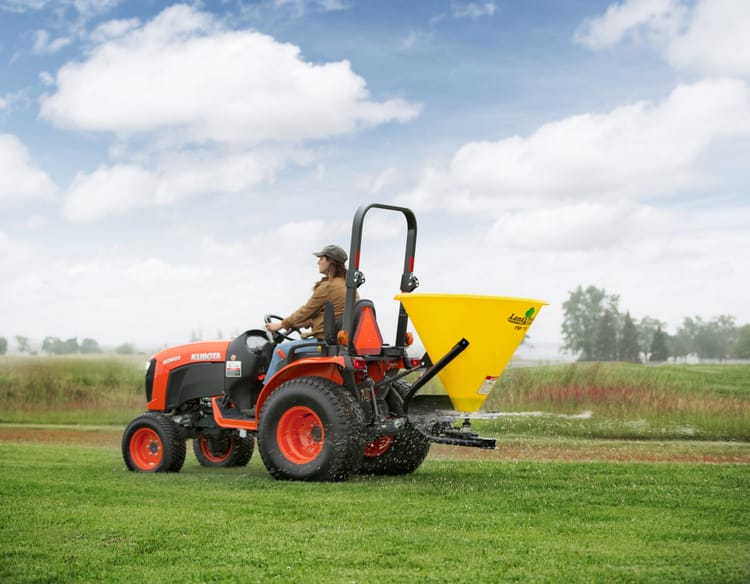
Most people looking at a Kubota L2502 are trying to figure out one thing — is this the best bang-for-the-buck tractor, or should I step down to an LX or up to an L3302?
If you want a real compact tractor without emissions-system complexity, this is where a lot of people land.
You are getting the heavier Standard L-Series platform, cast iron rear housing, a 100.5 cubic inch diesel, strong loader capability, and simple long-term ownership with no DPF, no DEF, and no regen.
It is a very different machine than a lighter premium compact. The L2502 feels more like a true work tractor for grading, pasture mowing, driveway maintenance, loader work, and general acreage chores.
And if you already know you need more horsepower for heavier PTO work, bigger implements, or tougher mowing conditions, that is usually when buyers start looking hard at the L3302.
Yes — that is exactly why so many people are drawn to it.
You get into the heavier Standard L-Series chassis, cast iron rear housing, strong loader capability, and a large-displacement 100.5 cu in diesel without stepping up into more price and more horsepower than many buyers actually need.
No — and that is one of the biggest reasons people buy it.
The L2502 stays under the emissions threshold, so you are getting no DPF, no DEF, no regen, and no emissions-related computer headaches.
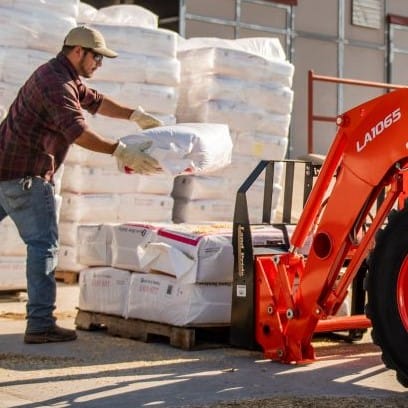
On paper the LA526 loader is rated at 1,144 lbs at the pivot pin, but real-world use matters more than brochure numbers.
Most buyers can realistically think of it as a tractor that will handle about 800–850 lbs on pallet forks depending on the load, balance, and conditions.
In many ways, yes — they share the same Standard L-Series family feel, similar chassis class, and the same LA526 loader family.
The big difference is that the L2502 is about simplicity and value, while the L3302 is about stepping up in horsepower and PTO performance.
Usually because they want more tractor and less fluff.
The L2502 gives you a heavier, more planted machine with stronger utility-tractor feel for loader work, grading, mowing rougher ground, and general acreage tasks. The LX2620 is a better fit for buyers who want a more premium compact experience and often care more about maneuverability and refinement.
Because they match the kind of work most property owners actually do.
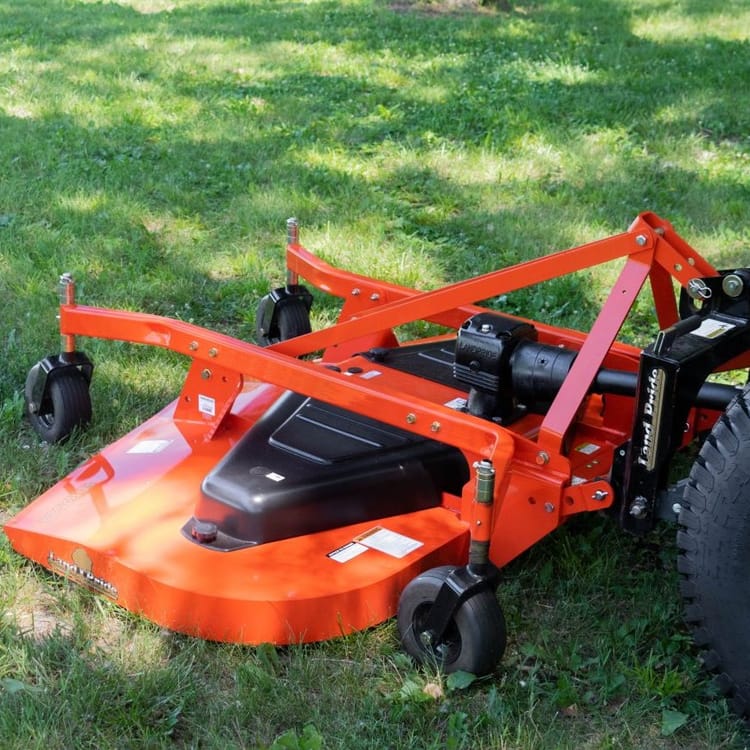
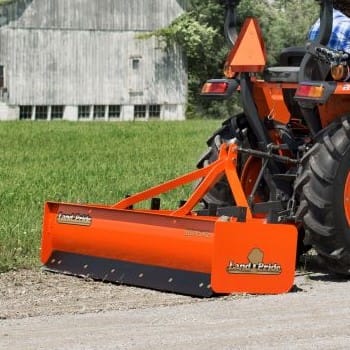
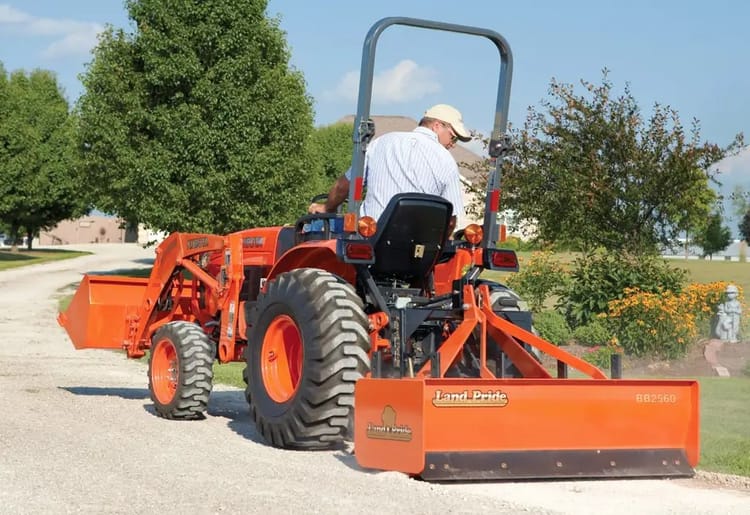
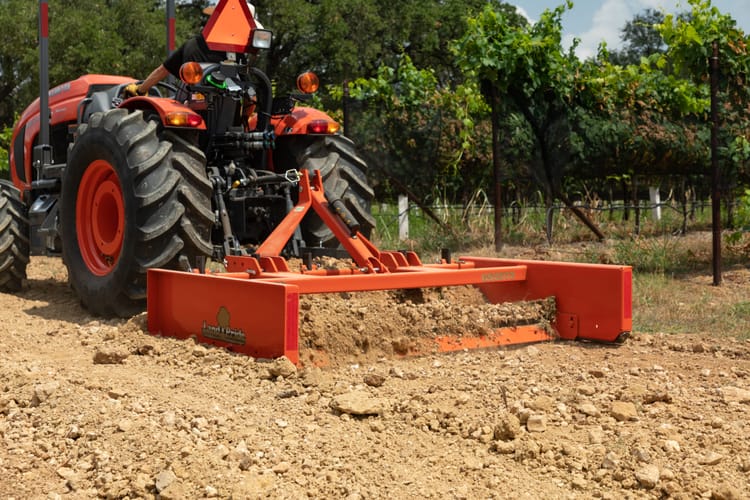
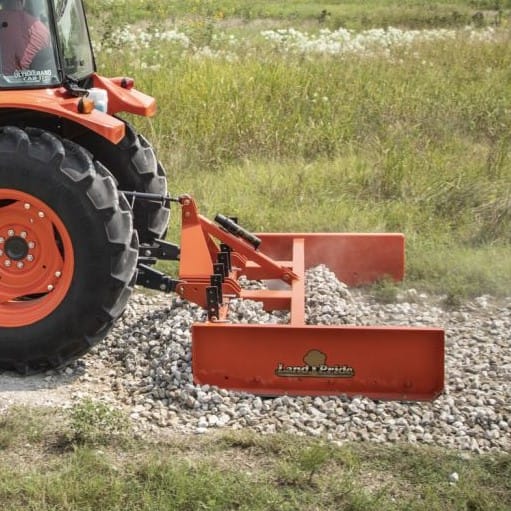
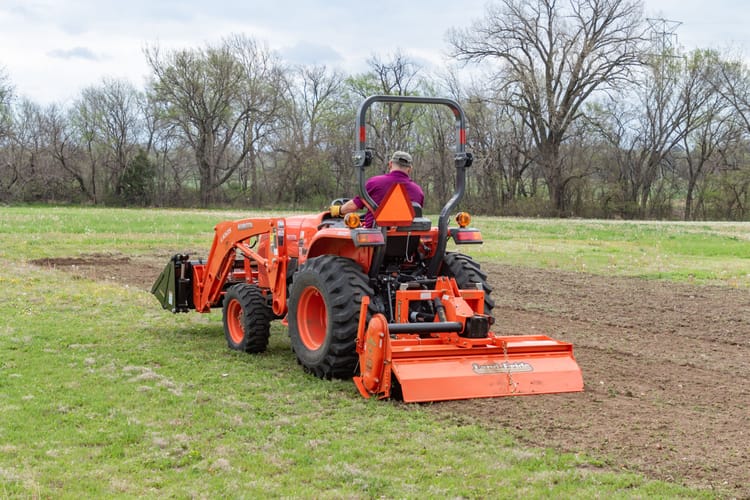
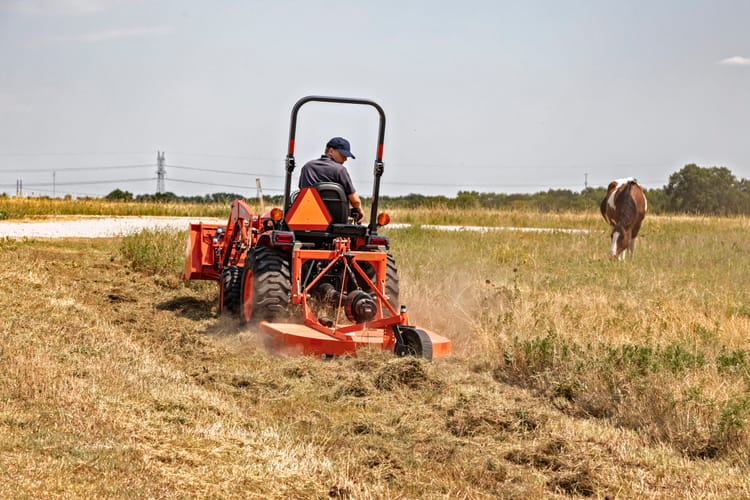
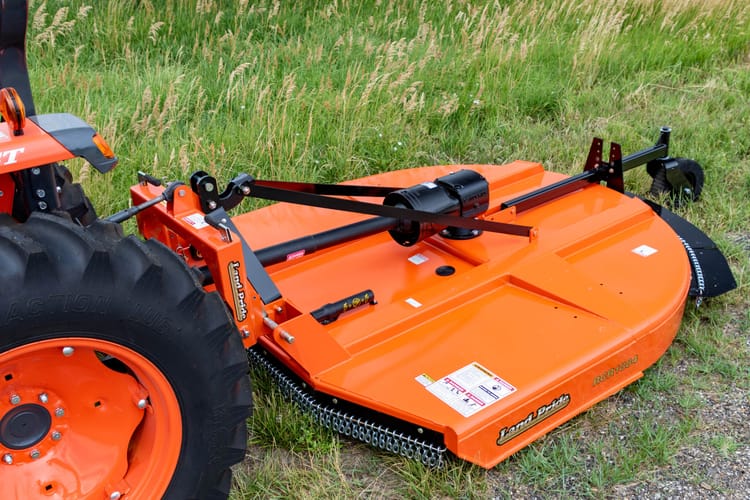
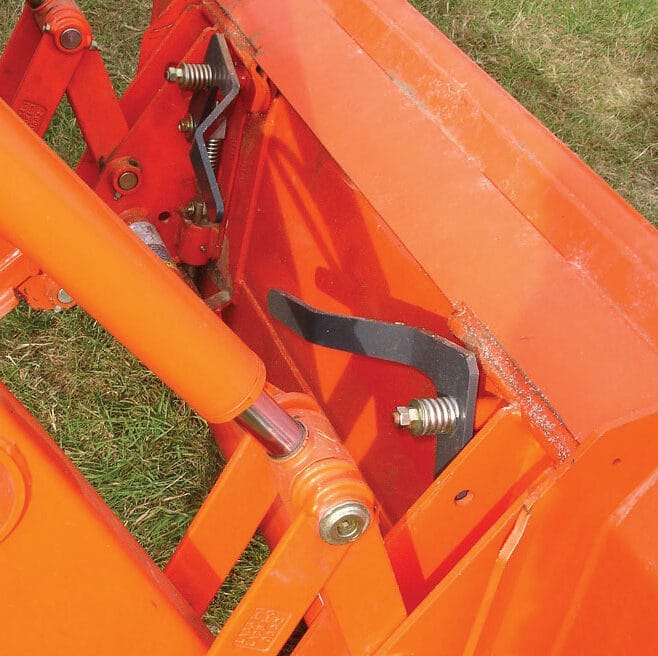
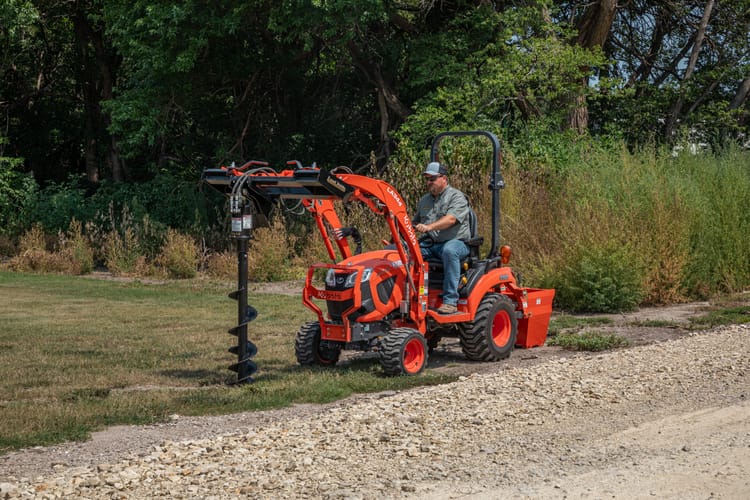
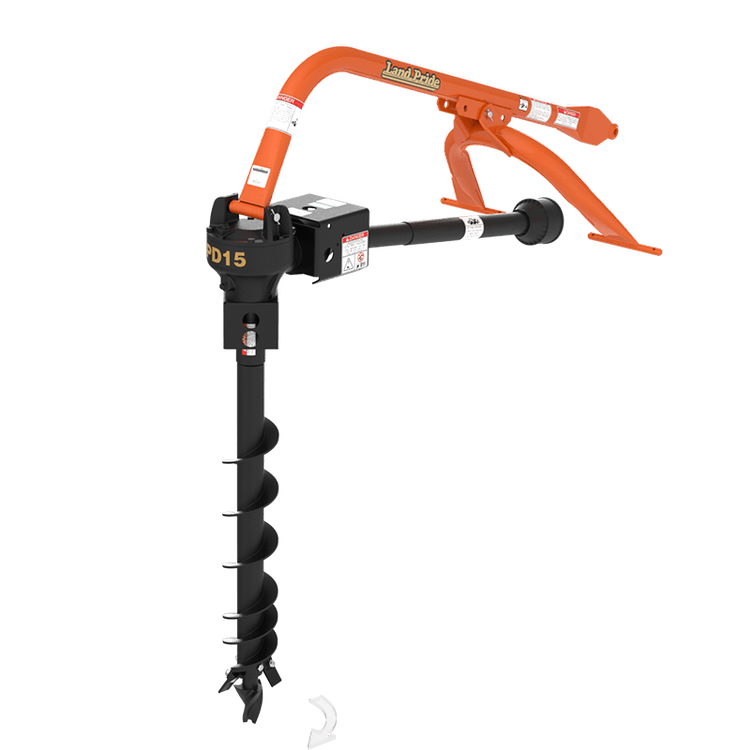
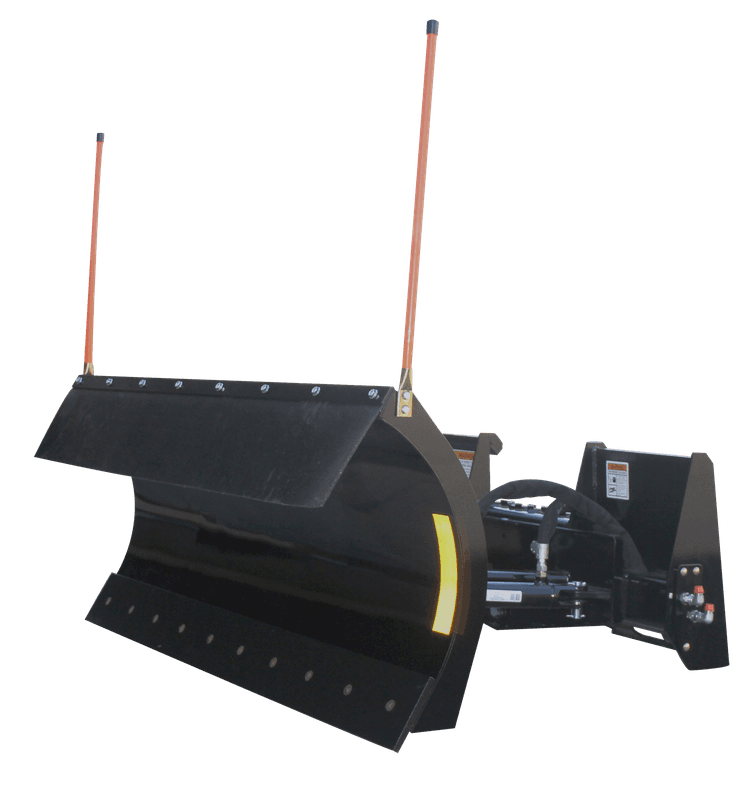
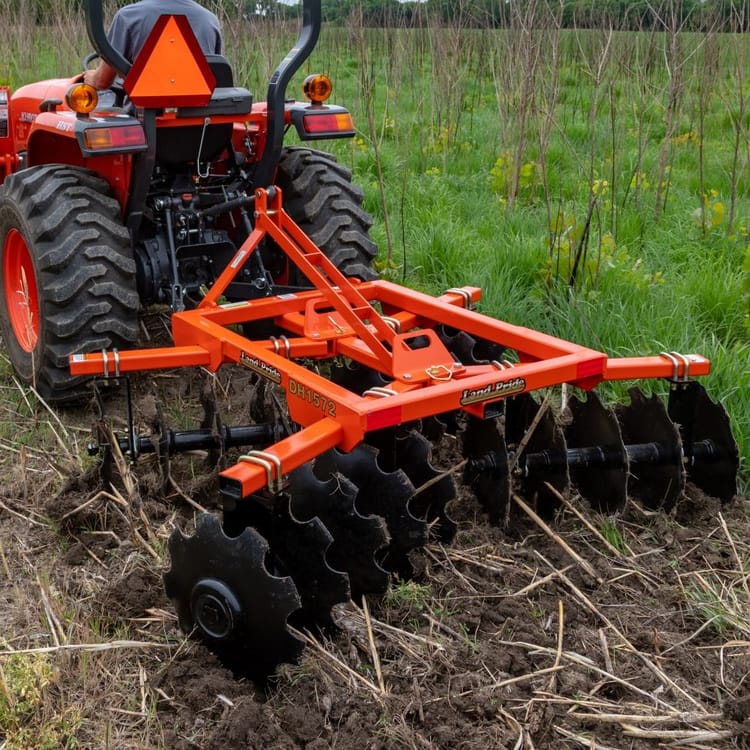
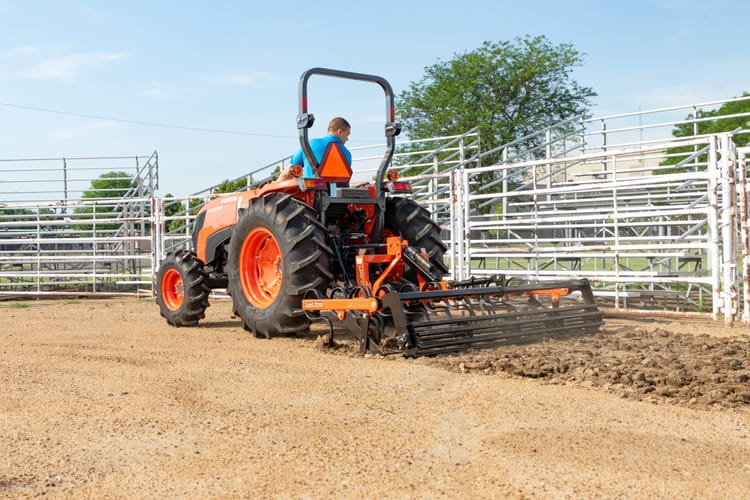
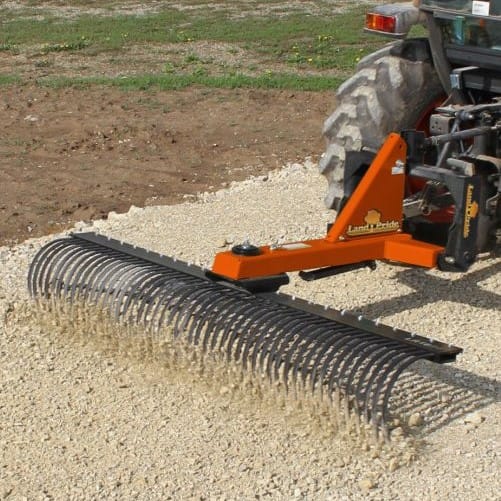
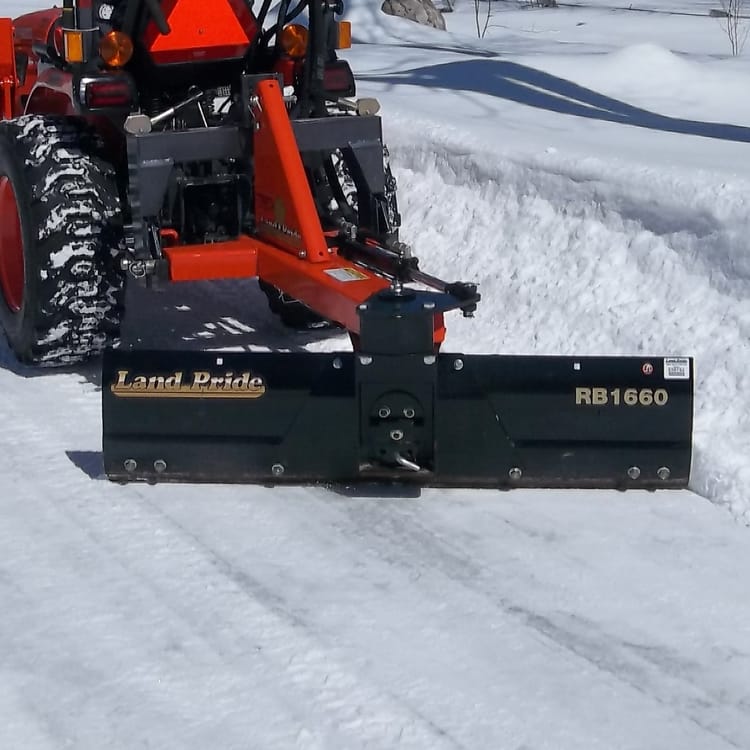
The QH16 quick hitch makes implement changes easier, the BB1260 box blade is one of the most useful tools for driveway and grading work, and the RCR1260 rotary cutter gives you a practical setup for pasture mowing, trails, weeds, and rough ground.
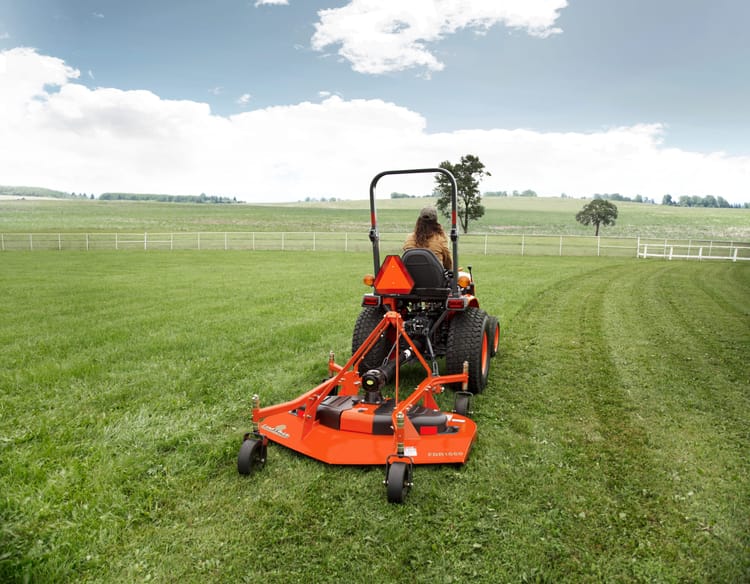
Most commonly, it is a strong fit for 5–25 acre properties where you want a mix of loader work, grading, driveway upkeep, brush cutting, pasture mowing, and general chores.
The biggest thing is not acreage alone — it is whether you want a machine that feels more like a real work tractor than a lighter compact.
Yes — that is one of its strongest selling points.
Between the under-emissions diesel, mechanical simplicity, cast iron rear housing, and proven Standard L design, the L2502 is one of the tractors people buy specifically because they want to keep it a long time.




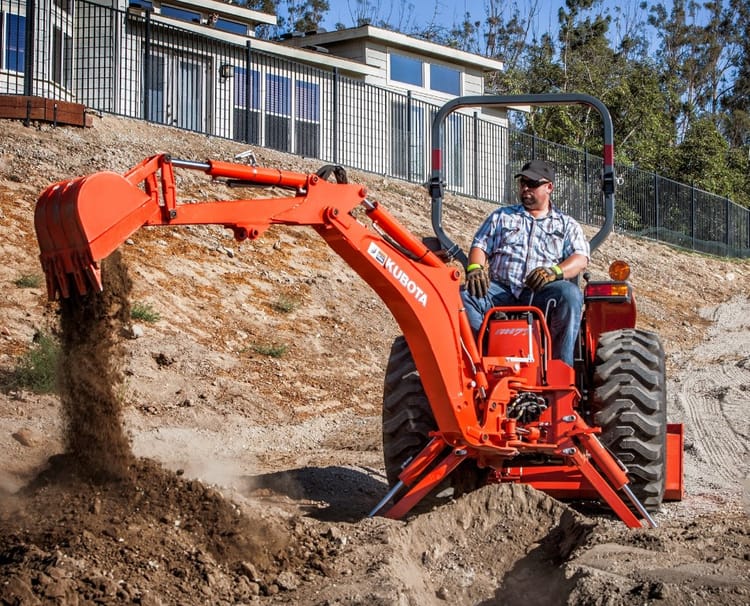
Built for property owners who want a heavier, more capable compact tractor for loader work, driveway maintenance, grading, brush cutting, pasture mowing, and everyday acreage chores .
Comparing the L2502 to an LX2620 or L3302? We’ll give you honest advice based on your land, chores, and budget.
Jump straight to the information that matters most for your property, workload, and budget.
These are the numbers and real-world facts that matter most — what it lifts, what it runs, how it is built, and why so many buyers see the L2502 as one of the biggest bang-for-the-buck tractors in the Kubota lineup.
At Ravenscraft Implement, we stock a full lineup of Land Pride implements and can custom-build a L2502 package to match your property, workload, and budget — with local support, delivery, and Kubota financing available.
The L2502 sits in a sweet spot many buyers overlook — heavier and more capable than smaller compact tractors, but simpler and lower cost than moving up in horsepower when you may not need it.
Choose the L2502 if you want more tractor for the money. The L2502 and LX2620 are similar in horsepower class, but the L2502 gives you the heavier Standard L chassis, cast iron rear housing, bigger stance, and stronger utility-tractor feel. It is the better choice for frequent loader work, grading, driveway maintenance, pasture mowing, and tougher acreage jobs.
Choose the LX2620 if you want premium compact features. The LX2620 appeals to buyers who prioritize maneuverability, refined ergonomics, available mid-PTO options, mowing use, and a more deluxe compact tractor experience.
Simple way to decide: If your land asks for more work than mowing, the L2502 usually wins. If mowing comfort, maneuverability, and premium compact features matter most, look hard at the LX2620.
Choose the L2502 if you love simplicity and value. Both tractors share the same Standard L-Series family feel and loader platform, but the L2502 is famous for its 24.8 HP under-emissions setup with no DPF, no DEF, no regen, and straightforward long-term ownership. It is one of the strongest bang-for-the-buck tractors Kubota sells.
Choose the L3302 if you need more horsepower. The L3302 gives you 33 HP and more PTO power for heavier mowing, bigger cutters, tougher tilling, and faster work in demanding conditions. If you know you need more power now, it can save upgrading later.
Simple way to decide: If you want maximum value and simplicity, buy the L2502. If you know you need more PTO horsepower and plan to work harder implements, step into the L3302.
★★★★★
“Simple, dependable, and easy to own.”
We wanted a mechanical tractor without extra emissions systems and the L2502 was perfect.
— Aaron B., Wichita, KS
★★★★★
“Great value for loader and acreage work.”
Plenty of capability for driveway maintenance, brush mowing, and moving dirt.
— Mike & Sara T., El Dorado, KS
★★★★★
“Ravenscraft helped us buy the right tractor.”
No pressure, honest advice, and smooth delivery from start to finish.
— Kevin R., Newton, KS
★★★★★ 5.0/5 Average Rating
Cash Price:
$29,230*
Payments As Low As
$428.62/mo**
Includes Freight and Prep • Delivery Within 100 Miles
K-Maintenance First Service Included
The L2502 is one of the smartest buys in compact tractors for buyers wanting a heavier-built machine, strong loader capability, and simple ownership without emissions-system complexity. We’ll help you decide if this package is the right fit for your land, workload, and budget.
*Cash Price
**Based on Finance Price
Sales tax not included.
Ravenscraft Implement
223 S Main St • Whitewater, KS 67154 • 316-799-2141
Serving Wichita, Newton, El Dorado, Hutchinson & surrounding Kansas communities since 1962